
Django is a high-level framework for building web applications with python. It provides many features out of the box for developers and is fast, secure and scalable.
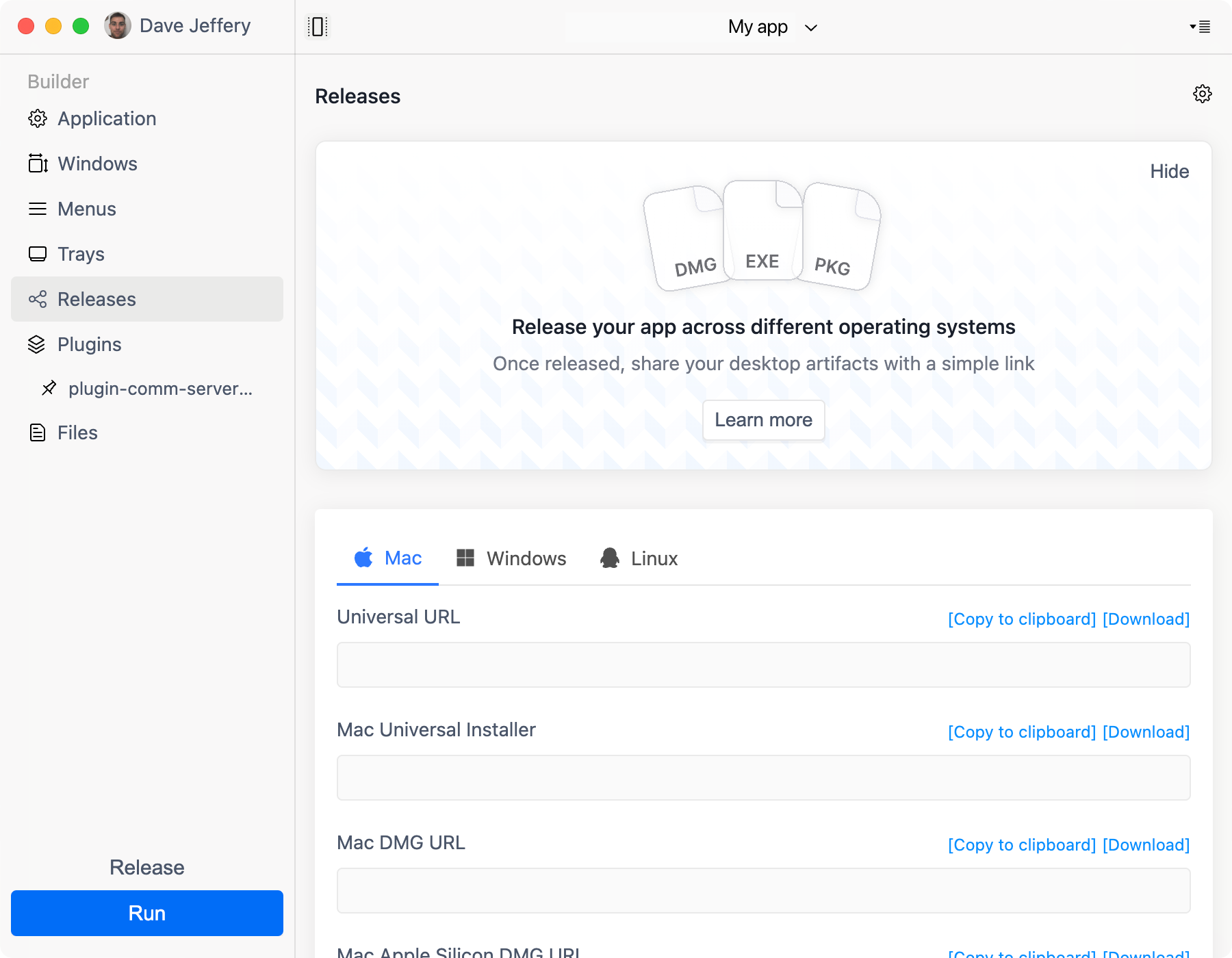
Django apps are commonly used for internal operations, admin systems, and data-heavy tools that benefit from a dedicated desktop footprint. ToDesktop helps you distribute those Django experiences as native apps while keeping your existing backend and frontend architecture.
Strong Django desktop use cases
- Internal operations dashboards used by support or finance teams.
- Workflow apps that rely on frequent notifications and long sessions.
- Tools that need controlled desktop distribution for managed environments.
Django desktop rollout guide
- Start with your existing Django app URL in ToDesktop Builder.
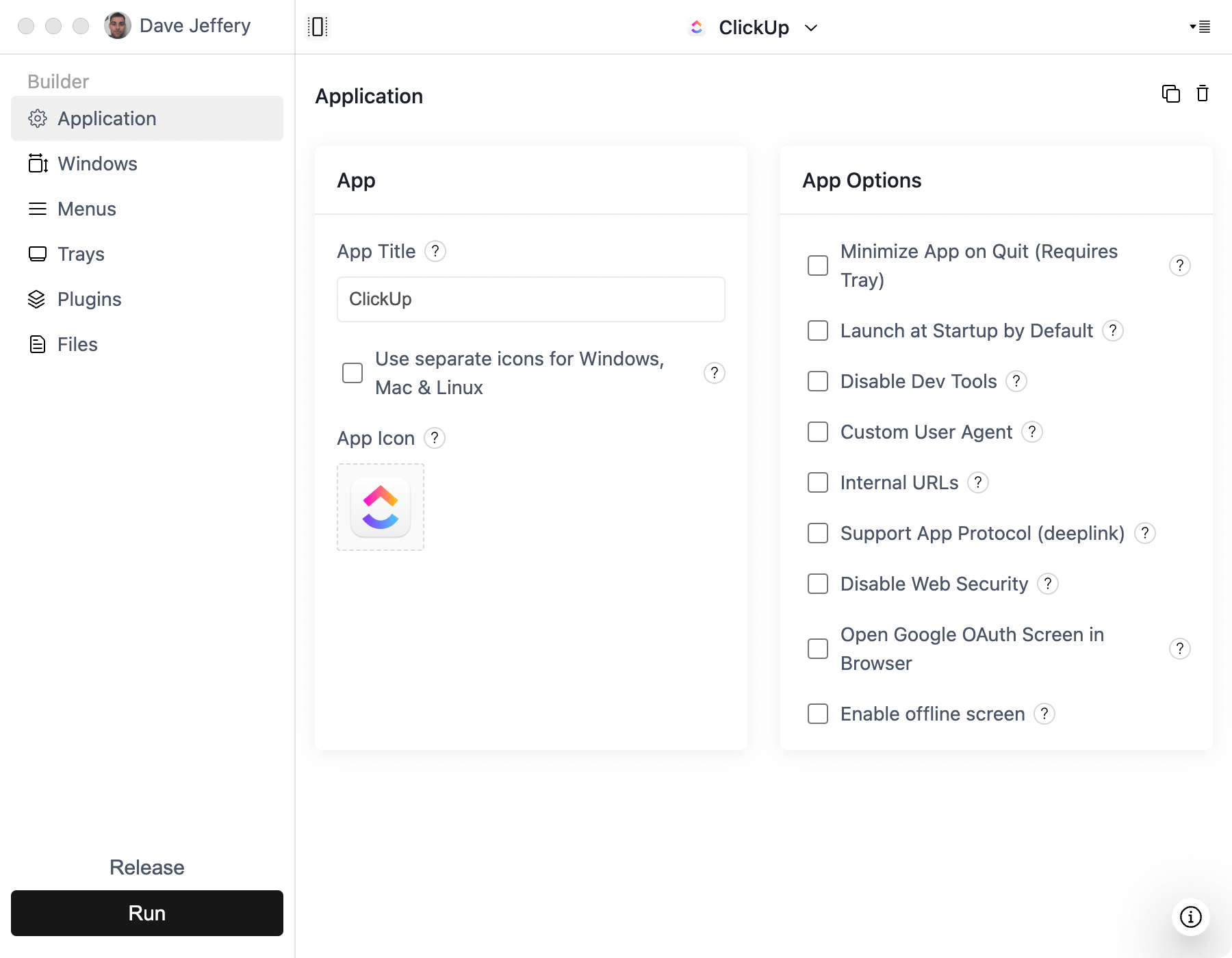
- Review authentication and make sure OAuth flows open in the default browser.
- Add app protocol support for secure return-to-app login completion.
- Add native notifications for task assignments and status changes.
- Configure auto-updates to keep security fixes rolling out quickly.
Advanced Django opportunities
- Add file-system plugin support for controlled local import/export actions.
- Add application menu actions for common data workflows.
- Add deeplinks to jump directly to admin or record-specific screens.
Common pitfalls
- Ignoring token and URL validation when handling protocol URLs.
- Granting broader file permissions than needed when using plugins.
- Not planning for offline/connection-loss behavior in field use cases.